
An Ayahuasca dieta is a defined preparation period before ceremony during which participants abstain from specific foods, pharmaceuticals, supplements, recreational substances, and stimulating or disruptive activities or emotional inputs. It reduces medical risk, prevents dangerous interactions, minimizes interference with the medicine’s effects, and supports a stable physical, psychological, and energetic state—creating the safest and cleanest internal environment for the experience. It centers honor for the medicine, ourselves and each other as we pre-cleanse the body, mind and spirit.
The dieta is one of the most important parts of preparing for an Ayahuasca ceremony. It is far more than a list of foods to avoid—it is a way of creating the most open, receptive, and harmonious conditions possible for your body, mind, and spirit. While every tradition has its nuances, the purpose is always the same: to help you meet the medicine with clarity, safety, and respect.
Preparing for an Ayahuasca ceremony begins long before we sit in the maloca or receive the cup of medicine. It begins in the quiet days before, when we soften our habits, still our minds, and invite the medicine to meet us halfway. The dieta is not a rulebook—it is a ritual of readiness, a way of tending the body and spirit so that when the doorways open, we can step through with clarity, safety, and reverence. It is how we say to the plants, “I am here. I am listening. I am willing.”
“In this way, the dieta is already part of the healing. It is the first conversation with the medicine—one spoken through choices, intention, and the tender reorganization of our inner world.”
What is the Dieta & Why is it Important?
Your shaman, ayahuasquera(o), plant medicine center, or facilitator may ask for a dieta of at least seven days before ceremony. Many recommend longer—7 to 14 days or more—depending on the medicine, their practice, and your own physical and energetic landscape.
Safety: Certain substances, foods, and medications can interact dangerously with Ayahuasca. This is not symbolic; it is biochemical reality.
Clarity: A simplified diet helps quiet the physical body, so that your system is more responsive and sensitive to the medicine.
Receptivity: The dieta opens subtle channels—emotional, spiritual, intuitive—so that the medicine can work more directly.
Intention: The dieta is a reciprocal gesture. When we prepare ourselves, we enter the ceremony not as passive recipients but willing participants in our own healing.
Most importantly: Never follow a random dieta you find online.
For your safety and for the integrity of your experience, always follow the specific dieta given by your shaman, ayahuasquera(o), plant medicine center, or facilitator. Different medicines, specific brews and ceremonial styles have different requirements.
Your ceremony leader knows the medicine, the lineage/cosmology and the energetic field you will be entering.
Their dieta is the only one that applies to your ceremony.
Why Dietas Differ
You may notice that different centers, traditions, or medicine carriers ask for slightly different dietas. This is not inconsistency—it is wisdom shaped by experience.
Dietas vary because:
Different brews contain different plant admixtures with unique physical requirements due to varied strengths and alkaloid profiles. One shaman may brew a strong, vine-heavy medicine; another may work with a lighter brew; another may add additional plants. Each combination interacts differently with the body.
Different lineages and cosmologies work with energy, intention, and plant spirits in distinct ways.
Environmental differences (humidity, altitude, diet norms, climate) can affect how the medicine behaves in the body. Different environments require different preparation. A jungle maloca, a mountain ceremony, a beachside retreat—all involve energetic and physical variables.
Different facilitators work with the medicine in different ways. Some require participants to be energetically “lighter.” Some rely heavily on song. Some push for deep purging. Some work in silence. Each approach has individual preparation needs.
Experience level of participants may require stricter or more flexible guidelines.
Observations over time lead shamans to recognize patterns—certain foods, behaviors, or energies that repeatedly don’t combine well with their way of working.
A dieta is never arbitrary. It reflects generations of direct relationship with the plants, the spirits, and the medicine.
A dieta that is perfect for one ceremony may be unsafe or insufficient in another.
Your safest, most aligned experience will always come from following the dieta of the shaman, ayahuasquera (o), plant medicine center, or facilitator you are sitting with, not a generalized one.
The Three Categories of Dieta
Within any dieta, there are three overarching types of guidelines.
#1: Physical Safety
There are substances you must not combine with Ayahuasca due to the risk of serious reactions or, in rare cases, life-threatening interactions.
These include:
Many pharmaceuticals
Recreational drugs
Alcohol
Certain other plant medicines
Certain supplements
Aged or fermented foods (e.g., soy sauce, miso, vinegar, aged cheeses)
Caffeine
Foods high in tyramine
Some medications or substances require weeks or months of abstinence—not just days.
Always consult your shaman, ayahuasquera(o), plant medicine center, or facilitator if you are taking any medication/supplements or recreational substances.
#2: Optimizing the Experience
These items will not harm you but may interfere with the clarity or depth of your ceremony.
Examples:
Salt
Oils (except small amounts of raw coconut or high-quality olive oil)
Processed foods
Factory-farmed meat
Pork
Excessive sugar
These guidelines help your body become a clear instrument for the work.
#3: Energetic & Spiritual Dieta
This is the least understood and often the most transformational part of the dieta.
You are not trying to “earn” the medicine’s approval. You are preparing your vessel for a profound and sacred encounter.
It includes:
Avoiding violent, negative, or sexually charged media
Reducing negative self-talk and ruminations
Refraining from gossip, drama, conflict, and heavy emotional entanglement
Abstaining from sexual activity, including orgasm and sexualized thought. Sexual abstinence conserves vital energy, protects the integrity of your energetic field, reduces distraction and imbalance thereby protecting the quality of your experience and the ceremony as a whole.
Energetic and spiritual preparation stabilizes your energy, strengthens your intention, and prevents external influences from entangling with the medicine’s work.
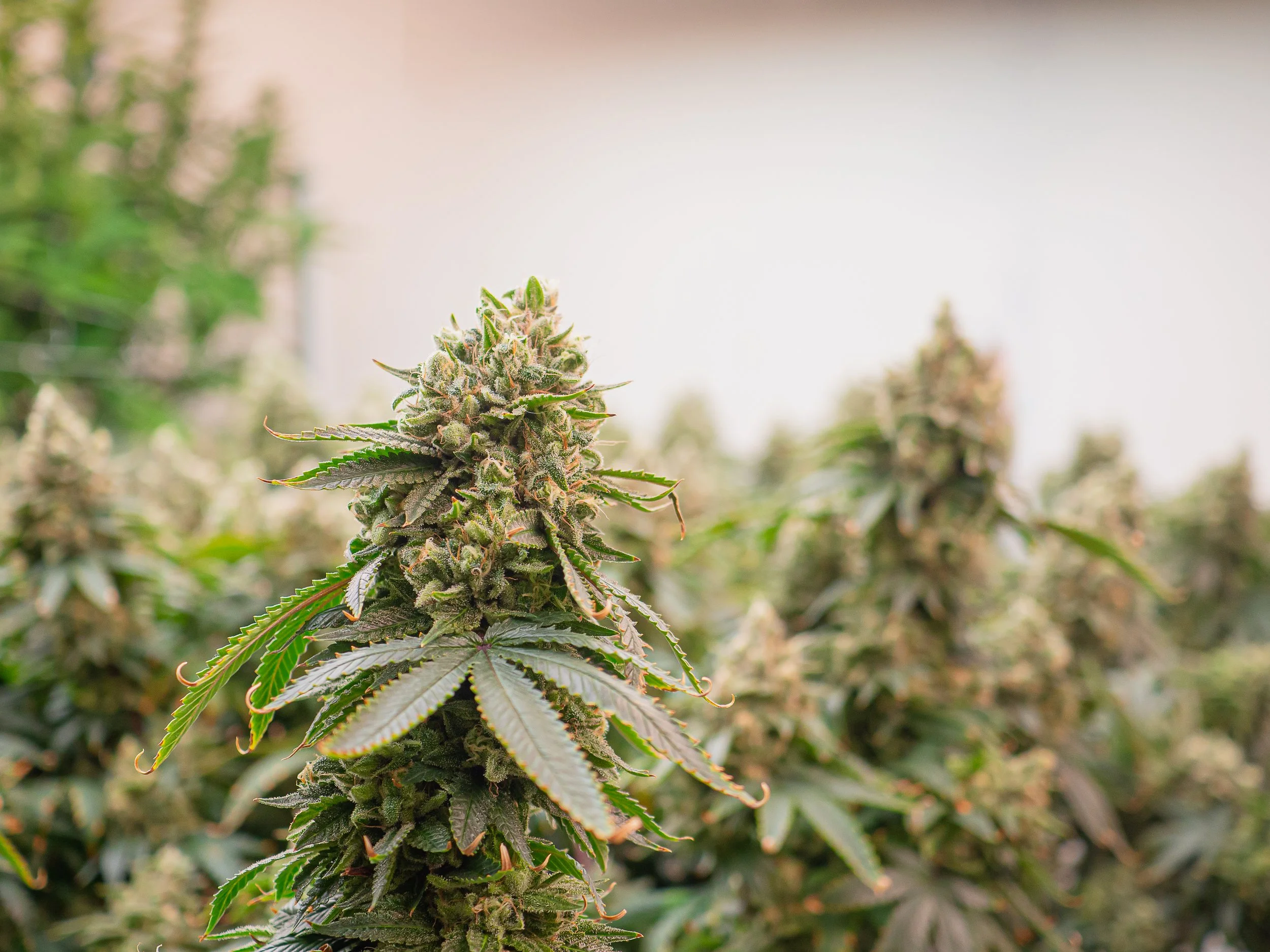
Why Cannabis Requires Special Attention
Even though cannabis is also a powerful plant medicine, Ayahuasca dietas often restrict its use for varying periods of time before ceremony.
Reasons include:
Its vibrational field can conflict with ayahuasca and can block, distort, or confuse the medicine experience.
The specific tradition or relationship the shaman, ayahuasquera(o) follows with the medicine may require abstinence from it for everyone in the ceremony.
This does not mean that your shaman, ayahuasquera(o), plant medicine center, or facilitator is not cannabis-friendly or is in judgement of your relationship with it. Let’s look at grapefruit as an example. By itself, grapefruit is nutritious and rich in vitamin C. Many people love it and attribute to it some aspect of their health. When mixed with helpful medicine we might be taking, grapefruit can block the enzyme that metabolizes the medication, making the drug much stronger than intended, which can lead to side effects or toxicity.
Neither the grapefruit nor the medicine is bad or undesirable or a poor choice. They simply may not work well together.
If you have used cannabis recently—or regularly—inform your shaman, ayahuasquera (o), plant medicine center, or facilitator so they can give you specific instructions, prepare accordingly, or energetically assist you as may be required in their ceremonial practice.
The Spirit of the Dieta
The dieta is not a punishment or a deprivation. It is an offering—a way of showing the medicine that you are willing to meet it halfway. It signals not only respect but partnership.
By temporarily setting aside foods, substances, and energies you may rely on, you are saying: “I am ready to step into my healing consciously, intentionally, and with humility.”
This opens the path for deeper work and safer passage through the ceremony.
The dieta is a doorway. How you approach it shapes how you walk through. What you do before ceremony shapes what becomes possible during ceremony.
When You Cannot Follow the Dieta Perfectly
Life happens. Travel, work, family responsibilities, and human error are real.
If you slip, forget, or encounter a situation where you cannot fully follow the dieta: Talk with your shaman, ayahuasquera (o), plant medicine center, or facilitator.
Sometimes it’s perfectly fine.
Sometimes adjustments will need to be made.
Sometimes you will need to reschedule your participation.
They can help you discern the difference.
A Healing Partnership
The dieta is not meant to make life smaller; it is meant to make the path clearer. These days of preparation are an act of devotion—an offering of attention, focus, and care that allows the medicine to meet us as deeply as possible. When we honor the dieta, we are not just following guidelines; we are shaping the inner and outer conditions through which real transformation can arise. We step into ceremony with a body that is ready, a mind that is quieter, and a spirit that is more open. And in doing so, we affirm the truth that healing is a partnership—between us, the plants, the earth, and the unseen ones who walk with us. The dieta is simply where that partnership begins.